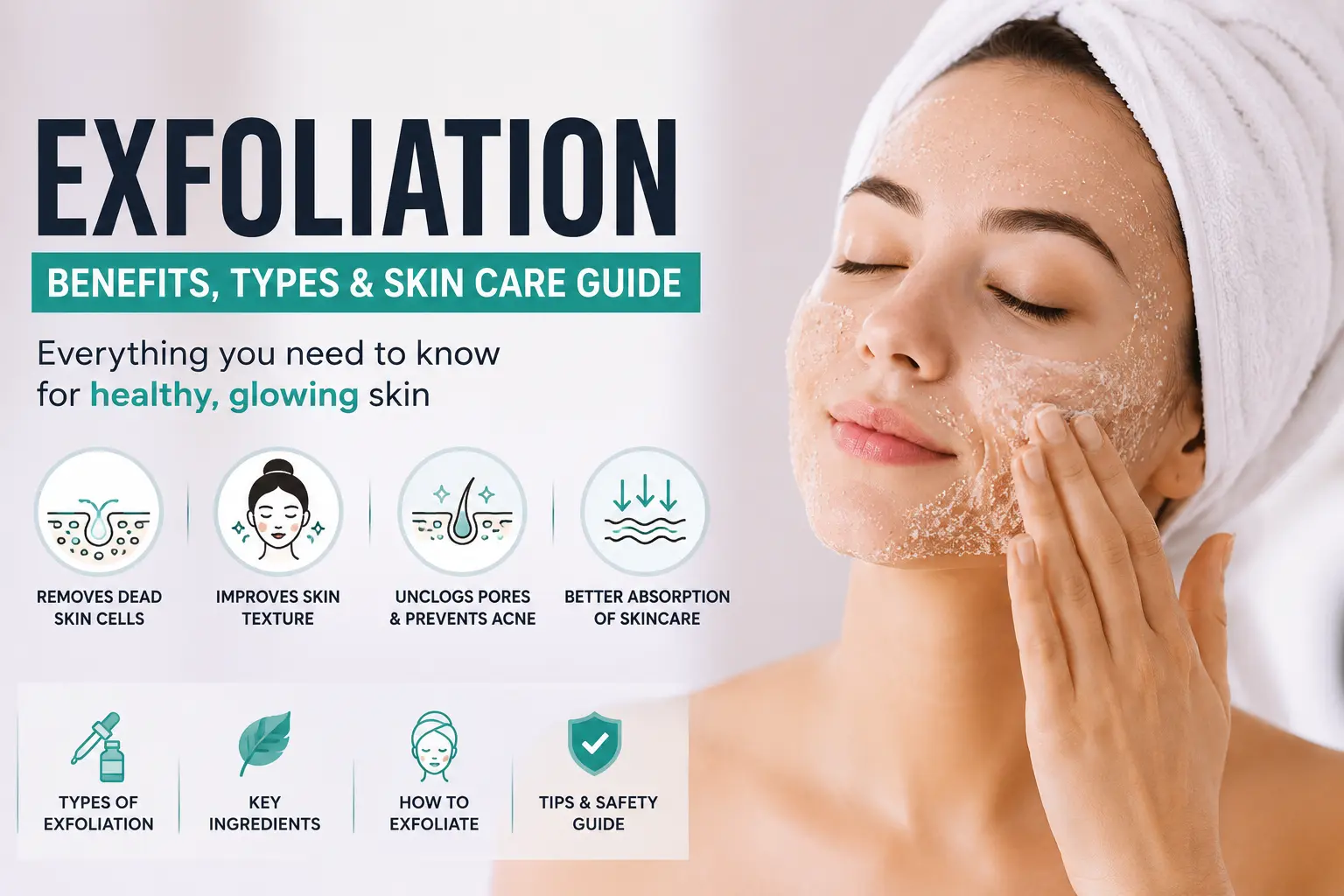
Exfoliation is a skincare and cosmetic procedure that involves the removal of dead skin cells, excess sebum, environmental pollutants, and other impurities from the outermost layer of the skin.
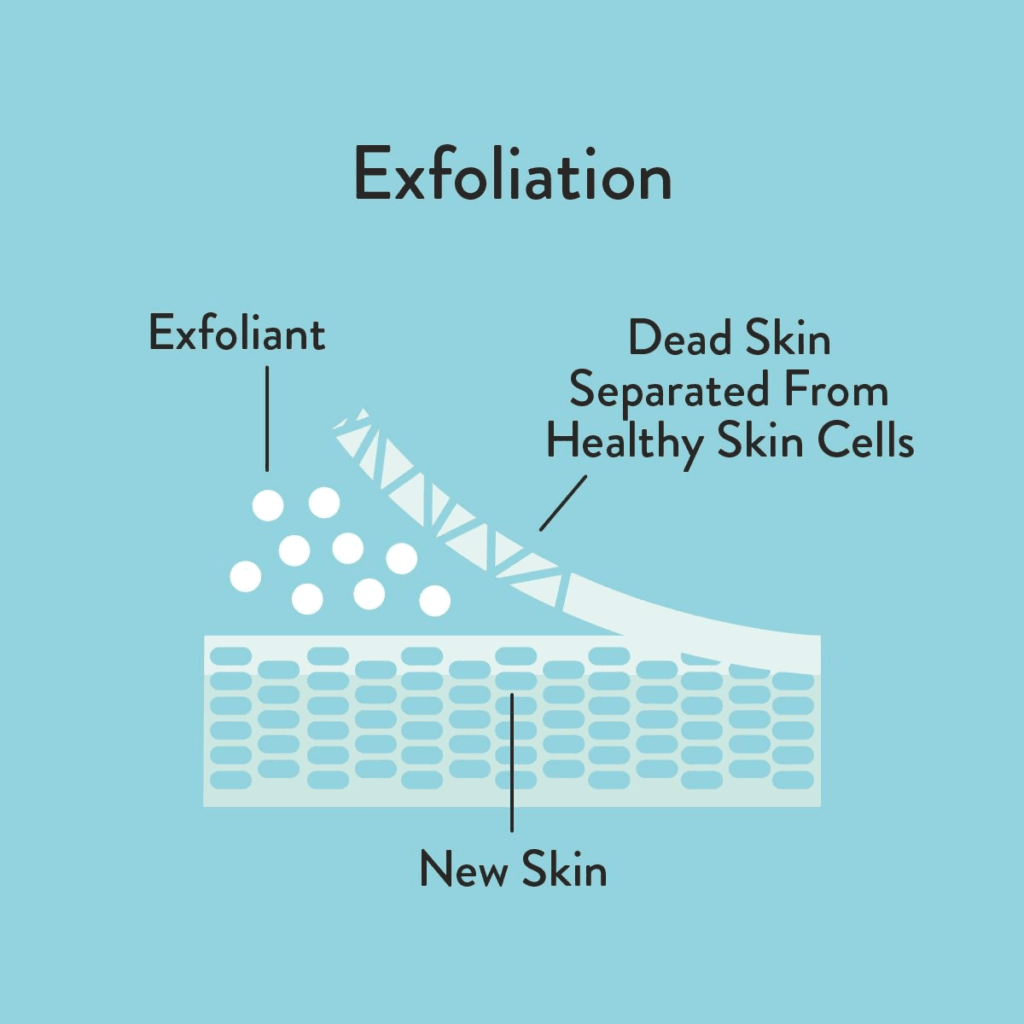
It is widely practiced as part of personal skincare routines and professional dermatological treatments. The skin naturally renews itself through a biological process known as cell turnover, where new skin cells are produced in the deeper layers of the epidermis and gradually move toward the surface.
As these cells reach the outer layer, they eventually become dead cells and are shed naturally. However, factors such as aging, environmental exposure, dehydration, and certain skin conditions can slow this shedding process, causing dead cells to accumulate on the skin surface.
Exfoliation helps remove this buildup, allowing newer skin cells to appear and improving the overall texture, tone, and appearance of the skin.
History of Exfoliation
The practice of exfoliating the skin dates back thousands of years. Ancient civilizations used natural substances to improve skin appearance and maintain cleanliness.
Ancient Egyptians used ingredients such as milk, honey, and natural minerals as part of beauty treatments. Milk contained lactic acid, which is now recognized as a type of alpha hydroxy acid (AHA) used in modern skincare.
Other traditional exfoliation methods included the use of natural grains, plant-based powders, oils, and mineral substances to polish and soften the skin.
Modern exfoliation has evolved significantly with the development of scientifically formulated chemical exfoliants, professional chemical peels, and advanced dermatological procedures.
The Science Behind Exfoliation
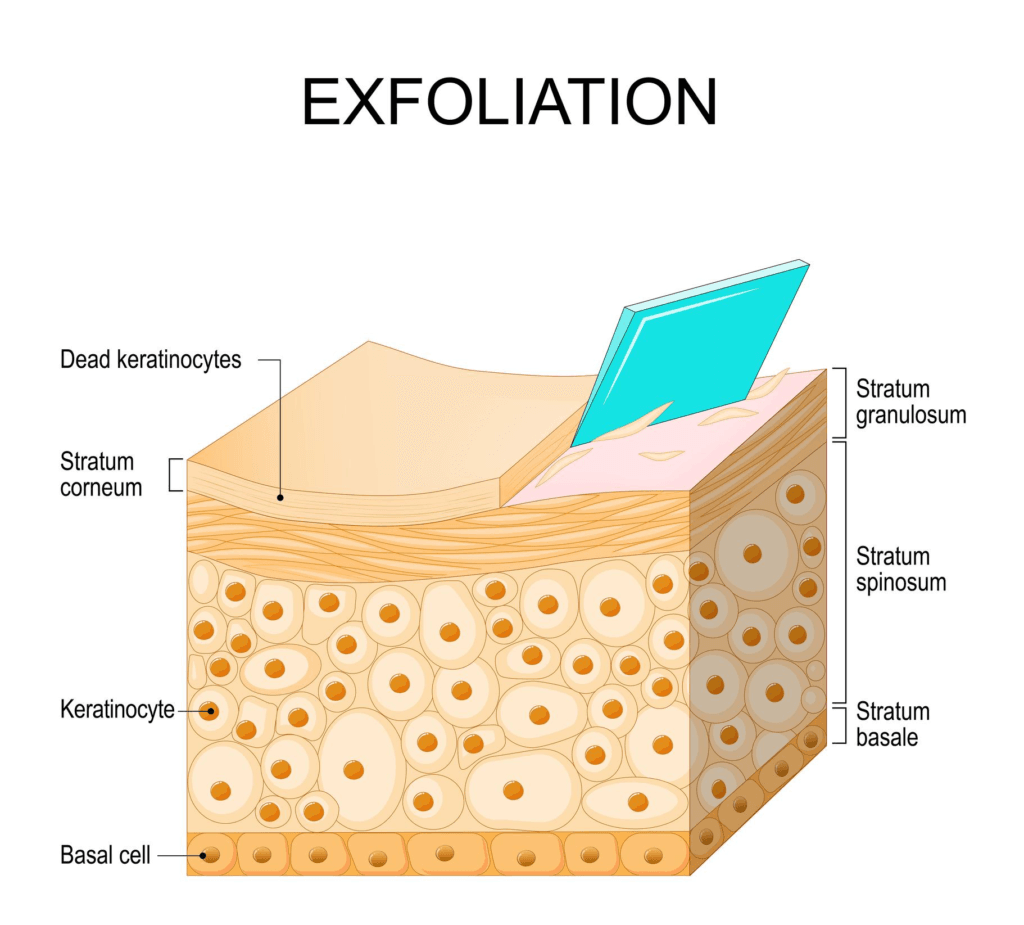
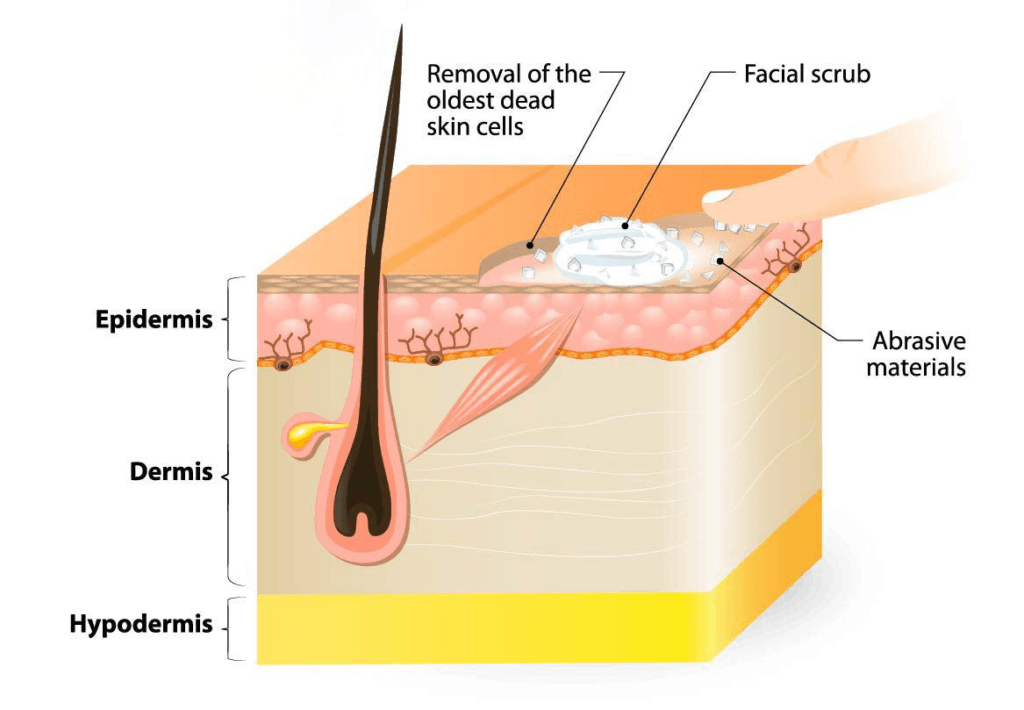
The skin consists of multiple layers, with the epidermis being the outermost layer. The top section of the epidermis, called the stratum corneum, contains layers of dead keratinized cells.
These cells are connected by proteins and lipids that create a protective barrier. Exfoliation works by either:
- Physically removing dead cells through friction.
- Chemically breaking down the connections between dead skin cells.
When dead cells are removed, the skin surface may become smoother and skincare products can penetrate more effectively.
Types of Exfoliation
Physical exfoliation uses mechanical action to remove dead skin cells from the surface of the skin.
Common examples include:
Facial Scrubs
Facial scrubs contain small particles that gently polish the skin. Modern formulations often use rounded particles to reduce irritation.
Exfoliating Tools
Tools such as cleansing brushes, exfoliating pads, and gloves can assist in removing surface buildup.
Natural Exfoliating Ingredients
Common natural exfoliating materials include:
- Oatmeal
- Rice powder
- Sugar particles
- Walnut particles
- Coffee grounds
Physical exfoliation should always be performed gently because excessive pressure may damage the skin barrier.
Chemical Exfoliation
Chemical exfoliation uses specific acids or enzymes to dissolve dead skin cells without physical scrubbing.
The main categories include:
Alpha Hydroxy Acids (AHAs)
AHAs are water-soluble acids that primarily work on the surface of the skin.
Common AHAs include:
Glycolic Acid
Derived from sugar cane, glycolic acid has a small molecular size that allows it to penetrate the skin effectively. It is commonly used to improve uneven texture and dull appearance.
Lactic Acid
Lactic acid is derived from milk and is considered a gentler AHA. It is often used in products designed for dry or sensitive skin.
Mandelic Acid
Mandelic acid has a larger molecular structure and is generally considered milder compared with some other AHAs.
Beta Hydroxy Acids (BHAs)
BHAs are oil-soluble exfoliating acids that can penetrate inside pores.
Salicylic Acid
Salicylic acid is the most common BHA used in skincare. It is frequently included in products designed for oily and acne-prone skin because it helps remove excess oil and debris from pores.
Polyhydroxy Acids (PHAs)
PHAs are chemical exfoliants with larger molecules compared with AHAs and BHAs. Because they penetrate more slowly, they are often considered suitable for people with sensitive skin.
Examples include:
- Gluconolactone
- Lactobionic acid
Enzyme Exfoliation
Enzyme exfoliation uses naturally derived enzymes from fruits and plants to break down dead skin cells.
Common enzymes include:
- Papain from papaya
- Bromelain from pineapple
These exfoliants are often considered gentler alternatives to stronger acids.
Benefits of Exfoliation
Improves Skin Texture
By removing accumulated dead skin cells, exfoliation can help create a smoother and softer skin surface.
Enhances Skin Appearance
Exfoliation may improve dull-looking skin by revealing newer cells underneath the surface layer.
Helps Maintain Clear Pores
Regular exfoliation can reduce the buildup of oil and dead cells that contribute to clogged pores.
Supports Even Skin Tone
Certain exfoliating ingredients may help improve the appearance of uneven pigmentation and discoloration.
Improves Product Performance
Removing excess buildup allows moisturizers, serums, and other skincare products to spread and absorb more easily.
Exfoliation for Different Skin Conditions
Acne-Prone Skin
Some exfoliating ingredients, especially BHAs like salicylic acid, are commonly used in acne skincare because they can help remove pore-clogging substances.
Hyperpigmentation
Chemical exfoliants may help improve the appearance of dark spots by supporting skin renewal.
Aging Skin
Certain exfoliating treatments are used in anti-aging skincare routines to improve the appearance of fine lines and uneven texture.
Risks and Side Effects
Although exfoliation can provide many benefits, improper use may cause problems.
Possible side effects include:
- Skin irritation
- Redness
- Dryness
- Increased sensitivity
- Burning sensation
- Damaged skin barrier
Over-exfoliation occurs when exfoliating products are used too frequently or when multiple strong ingredients are combined.
How Often Should You Exfoliate?
The recommended frequency depends on skin type and product strength.
General recommendations:
- Normal skin: 1–2 times weekly
- Oily skin: 2–3 times weekly if tolerated
- Dry skin: Once weekly
- Sensitive skin: Less frequent exfoliation
Professional treatments may follow different schedules depending on individual skin needs.
Exfoliation and Sun Protection
After exfoliation, the skin may become more sensitive to ultraviolet radiation. Sunscreen is an essential part of skincare after exfoliation.
Daily use of broad-spectrum sunscreen helps protect the skin from UV-related damage and supports long-term skin health.
Professional Exfoliation Treatments
Dermatologists and licensed skincare professionals may perform advanced exfoliation procedures such as:
Chemical Peels
Chemical peels involve applying controlled chemical solutions to remove damaged outer skin layers.
Microdermabrasion
Microdermabrasion is a mechanical procedure that uses specialized equipment to gently remove surface skin cells.
Laser Resurfacing
Laser-based treatments use controlled energy to improve skin texture and appearance.
Frequently Asked Questions
1. Is exfoliation suitable for everyone?
Most people can benefit from some form of exfoliation, but the method should be selected according to skin type and sensitivity.
2. Can exfoliation remove acne permanently?
Exfoliation may help manage clogged pores and improve skin texture, but acne often requires a complete skincare approach.
3. Is daily exfoliation recommended?Daily exfoliation is generally not recommended because excessive removal of skin cells can weaken the protective barrier.
4. Should moisturizer be used after exfoliation?
Yes. Applying moisturizer after exfoliation helps maintain hydration and supports the skin barrier.
Conclusion
Exfoliation is a widely used skincare practice that supports skin renewal by removing dead skin cells and improving surface texture. It can be performed through physical methods, chemical ingredients, enzymes, or professional treatments.
When performed correctly and according to individual skin needs, exfoliation can contribute to smoother, clearer, and healthier-looking skin. However, excessive exfoliation may lead to irritation, making proper technique, frequency, and sun protection essential components of an effective skincare routine.
References
- American Academy of Dermatology (AAD) – Skin care and exfoliation guidance
https://www.aad.org - Mayo Clinic – Skin care basics and healthy skin information
https://www.mayoclinic.org - MedlinePlus (U.S. National Library of Medicine) – Skin health resources
https://medlineplus.gov
