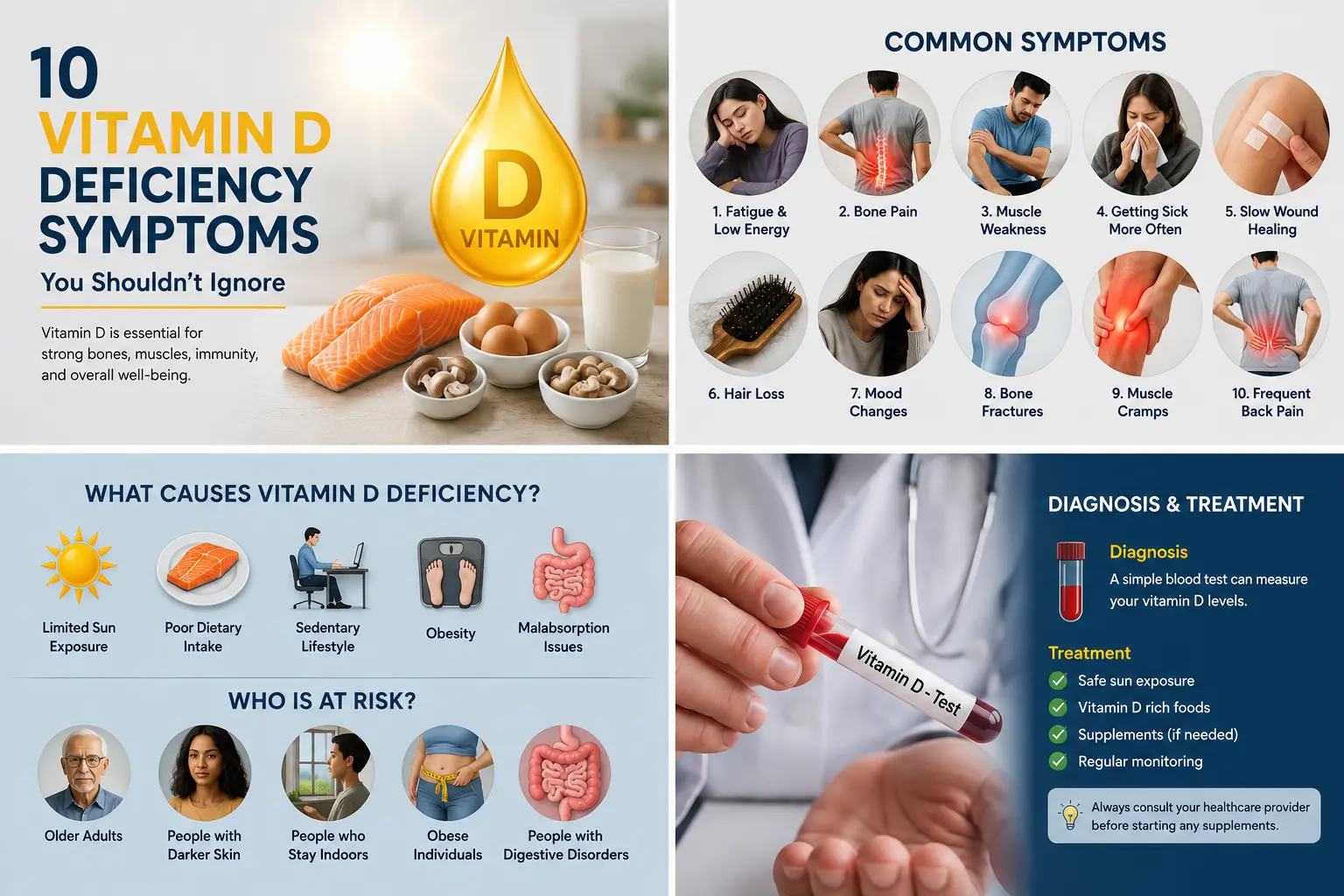
Vitamin D is an essential nutrient that plays a key role in maintaining healthy bones, supporting muscle function, and helping the immune system work normally. Although it is often called the “sunshine vitamin” because the body produces it after sunlight exposure, many people around the world still do not get enough vitamin D.
Low vitamin D levels may develop gradually, and the symptoms are often mild or overlooked in the early stages. In some cases, people may not notice any symptoms until the deficiency becomes more significant.
This guide explains the most common vitamin D deficiency symptoms, why they occur, who is at greater risk, and when it may be appropriate to speak with a healthcare professional.
What Is Vitamin D Deficiency?
Vitamin D deficiency occurs when the body does not have enough vitamin D to support its normal functions. Vitamin D helps the body absorb calcium and phosphorus, two minerals that are essential for maintaining strong bones and teeth.
The body can obtain vitamin D from three main sources:
- Sunlight exposure
- Certain foods
- Dietary supplements
A deficiency may develop when a person gets limited sunlight, consumes too little vitamin D in their diet, or has a medical condition that affects vitamin D absorption.
Healthcare providers can measure vitamin D levels through a blood test if a deficiency is suspected.
Why Is Vitamin D Important?
Vitamin D supports several important functions throughout the body, including:
- Maintaining healthy bones and teeth
- Supporting normal muscle function
- Helping the immune system function properly
- Supporting normal cell growth
- Assisting calcium absorption
Because vitamin D influences many body systems, low levels may affect overall health over time.
10 Vitamin D Deficiency Symptoms
1. Frequent Fatigue or Low Energy
One of the most commonly reported vitamin D deficiency symptoms is feeling unusually tired or lacking energy.
Although fatigue can have many possible causes, some research suggests that low vitamin D levels may contribute to persistent tiredness in certain individuals.
If you feel exhausted despite getting enough sleep and maintaining a healthy lifestyle, discussing your symptoms with a healthcare professional may help identify the underlying cause.
2. Bone Pain
Vitamin D plays an essential role in calcium absorption, making it important for maintaining healthy bones.
When vitamin D levels are too low, some people may experience discomfort or pain in the bones, particularly in the lower back, hips, pelvis, or legs.
Persistent bone pain should never be ignored, as it may have several possible medical causes that require proper evaluation.
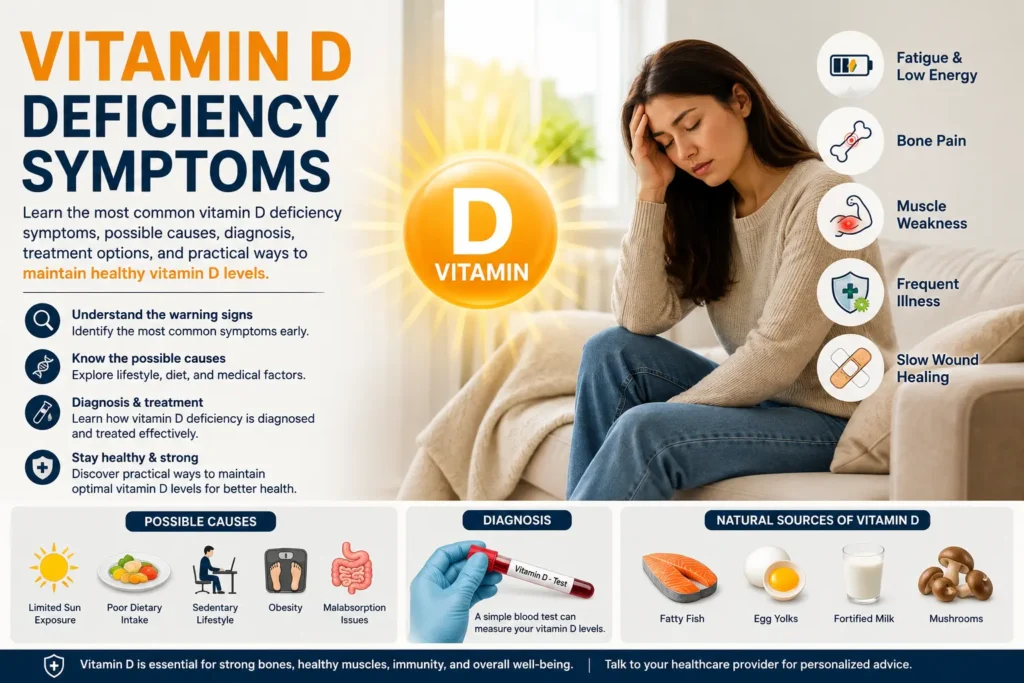
3. Muscle Weakness
Healthy muscles rely on adequate vitamin D levels for normal function.
Some people with vitamin D deficiency notice reduced muscle strength, difficulty climbing stairs, or feeling weaker than usual during everyday activities.
Older adults may be particularly affected because muscle weakness can increase the risk of falls and injuries.
4. Getting Sick More Often
Vitamin D helps support the normal function of the immune system.
While it is not a cure or guaranteed protection against illness, maintaining healthy vitamin D levels may contribute to normal immune responses.
If you frequently experience infections or illnesses, it is worth discussing your overall nutritional status with a healthcare provider rather than assuming vitamin D is the only cause.
5. Slow Wound Healing
The body relies on many nutrients, including vitamin D, to support the normal healing process.
Some studies suggest that low vitamin D levels may affect the body’s ability to repair tissues efficiently after minor injuries or medical procedures.
However, wound healing is influenced by many factors such as age, nutrition, blood sugar control, circulation, and overall health.
6. Hair Loss
Hair loss can occur for many reasons, including genetics, hormonal changes, stress, nutritional deficiencies, and certain medical conditions. While vitamin D deficiency is not the only cause, some research has explored a possible link between low vitamin D levels and certain types of hair loss, such as alopecia areata.
If you experience sudden or excessive hair loss, consult a healthcare professional for a proper evaluation instead of self-diagnosing.
7. Mood Changes
Vitamin D receptors are found in several areas of the brain, leading researchers to investigate whether vitamin D plays a role in mood regulation.
Some observational studies have found an association between low vitamin D levels and mood changes. However, more research is needed to determine whether vitamin D supplementation directly improves mood in people without a confirmed deficiency.
Persistent feelings of sadness, anxiety, or depression should always be discussed with a qualified healthcare provider.
8. Bone Fractures
Over time, vitamin D deficiency may contribute to reduced bone mineral density because the body cannot absorb calcium efficiently.
This may increase the risk of weakened bones and fractures, especially in older adults. Maintaining healthy vitamin D levels, along with adequate calcium intake and regular weight-bearing exercise, supports long-term bone health.
9. Muscle Cramps
Some individuals with low vitamin D levels report frequent muscle cramps or muscle discomfort.
Although muscle cramps have many possible causes—including dehydration, electrolyte imbalances, and overuse—maintaining adequate vitamin D and magnesium intake is an important part of supporting normal muscle function.
10. Frequent Back Pain
Chronic lower back pain is common and can result from many different conditions. Some studies suggest that vitamin D deficiency may be associated with back pain in certain individuals, although a direct cause-and-effect relationship has not been established.
If back pain persists for several weeks or interferes with daily activities, seek medical advice for a proper diagnosis.
Who Is at Risk of Vitamin D Deficiency?
Some people have a higher risk of developing vitamin D deficiency, including:
- Older adults
- People who spend little time outdoors
- Individuals with darker skin tones
- People who regularly use sunscreen or wear clothing that limits sun exposure
- Individuals with obesity
- People with digestive disorders that affect nutrient absorption
- Adults with limited dietary vitamin D intake
Being in one or more of these groups does not necessarily mean you have a deficiency, but it may increase the likelihood of low vitamin D levels.
How Is Vitamin D Deficiency Diagnosed?
The most accurate way to diagnose vitamin D deficiency is through a 25-hydroxyvitamin D blood test, which measures the level of vitamin D in your body.
If your healthcare provider suspects a deficiency based on your symptoms, medical history, or risk factors, they may recommend this test to determine whether treatment is needed.
Avoid taking high-dose vitamin D supplements without medical advice, as excessive vitamin D intake can also cause health problems.
Treatment Options
Treatment depends on the severity of the deficiency and your individual health needs.
A healthcare provider may recommend:
- Spending more time outdoors while following safe sun exposure practices
- Eating more vitamin D-rich foods
- Taking vitamin D supplements if appropriate
- Regular follow-up blood tests to monitor vitamin D levels
Common dietary sources of vitamin D include:
- Fatty fish (such as salmon and sardines)
- Egg yolks
- Fortified milk
- Fortified cereals
- Fortified plant-based beverages
Prevention Tips
You can help maintain healthy vitamin D levels by:
- Eating a balanced diet that includes vitamin D-rich foods
- Spending time outdoors safely when possible
- Following your healthcare provider’s advice regarding supplements
- Staying physically active
- Scheduling regular health check-ups if you have risk factors for deficiency
Conclusion
Vitamin D is essential for maintaining healthy bones, muscles, and immune function. Because the symptoms of vitamin D deficiency often develop gradually, they can easily be overlooked or mistaken for other conditions.
Recognizing the early warning signs and seeking medical advice when symptoms persist can help identify a deficiency before it leads to more serious health problems. A healthy diet, safe sunlight exposure, and appropriate supplementation—when recommended by a healthcare professional—are effective ways to support healthy vitamin D levels.
Frequently Asked Questions
Can vitamin D deficiency cause tiredness?
Yes. Fatigue is one of the commonly reported symptoms associated with vitamin D deficiency, although many other health conditions can also cause tiredness.
How much vitamin D do adults need?
Daily vitamin D requirements vary by age, health status, and individual circumstances. Follow your healthcare provider’s advice or national nutrition guidelines.
Which foods contain vitamin D?
Fatty fish, egg yolks, fortified dairy products, and fortified cereals are among the most common dietary sources.
Can vitamin D deficiency be prevented?
Many people can help maintain healthy vitamin D levels through a combination of balanced nutrition, safe sunlight exposure, and supplements when recommended by a healthcare professional.
When should I see a doctor?
If you experience ongoing fatigue, bone pain, muscle weakness, or other persistent symptoms, schedule an appointment with a healthcare provider for an evaluation.
References
- National Institutes of Health (NIH) – Office of Dietary Supplements – Vitamin D Fact Sheet for Health Professionals
https://ods.od.nih.gov/factsheets/VitaminD-HealthProfessional/ - Mayo Clinic – Vitamin D
https://www.mayoclinic.org - Cleveland Clinic – Vitamin D Deficiency
https://my.clevelandclinic.org
