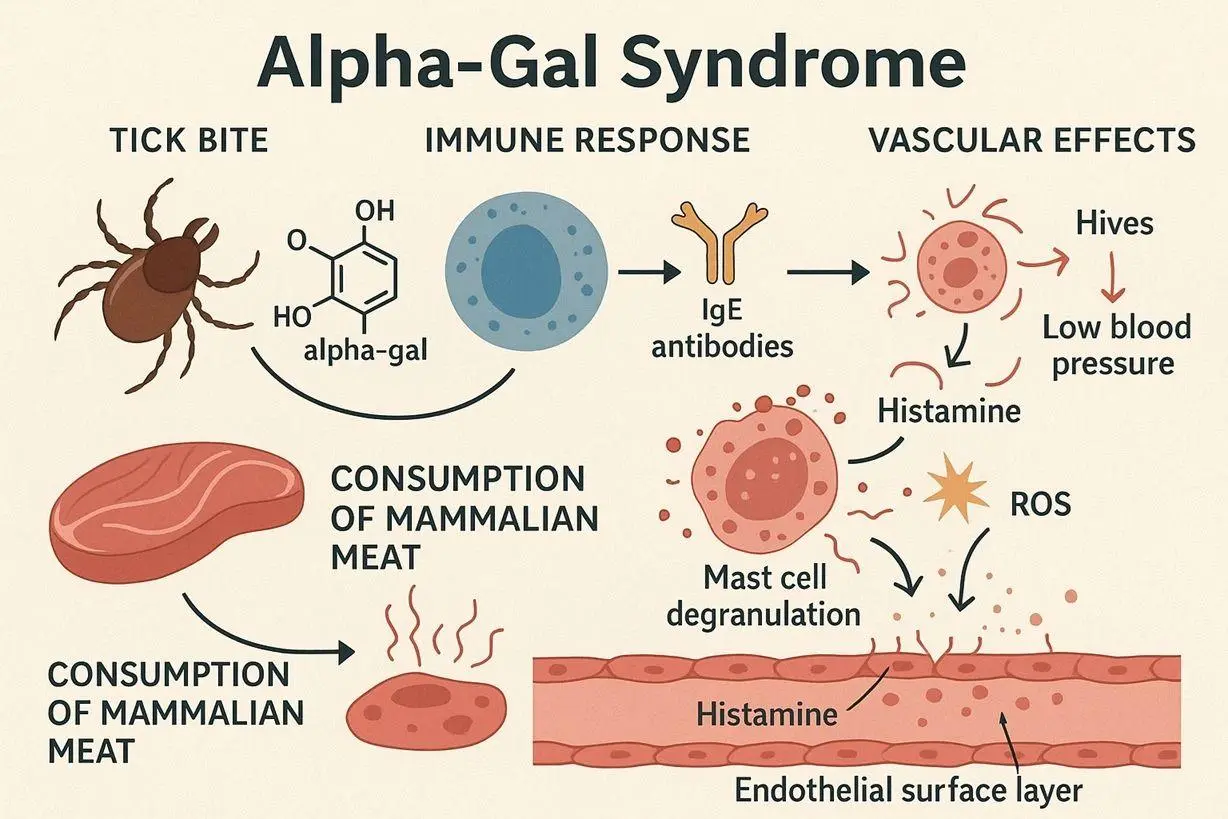
Alpha-Gal Syndrome (AGS) is a type of food allergy that can develop after certain tick bites. Unlike most food allergies, symptoms often appear 3 to 6 hours after eating mammalian meat such as beef, pork, or lamb. While there is no cure, avoiding trigger foods and preventing future tick bites can help manage the condition.
What Is Alpha-Gal Syndrome?
Imagine enjoying a steak for dinner and waking up several hours later with hives, stomach cramps, or even difficulty breathing. For some people, this unexpected reaction may be caused by Alpha-Gal Syndrome (AGS)—an uncommon but increasingly recognized allergy linked to tick bites.
Alpha-Gal Syndrome is different from most food allergies because it is triggered by a sugar molecule called galactose-α-1,3-galactose (alpha-gal) rather than a protein. This molecule is naturally found in the meat of mammals such as cows, pigs, sheep, and deer.
In some people, a bite from certain tick species can cause the immune system to produce antibodies against alpha-gal. Later, when that person eats red meat or products containing alpha-gal, the immune system may react and trigger an allergic response.
Although AGS is still considered relatively uncommon, awareness has increased in recent years as more cases have been identified in different parts of the world.
What Causes Alpha-Gal Syndrome?
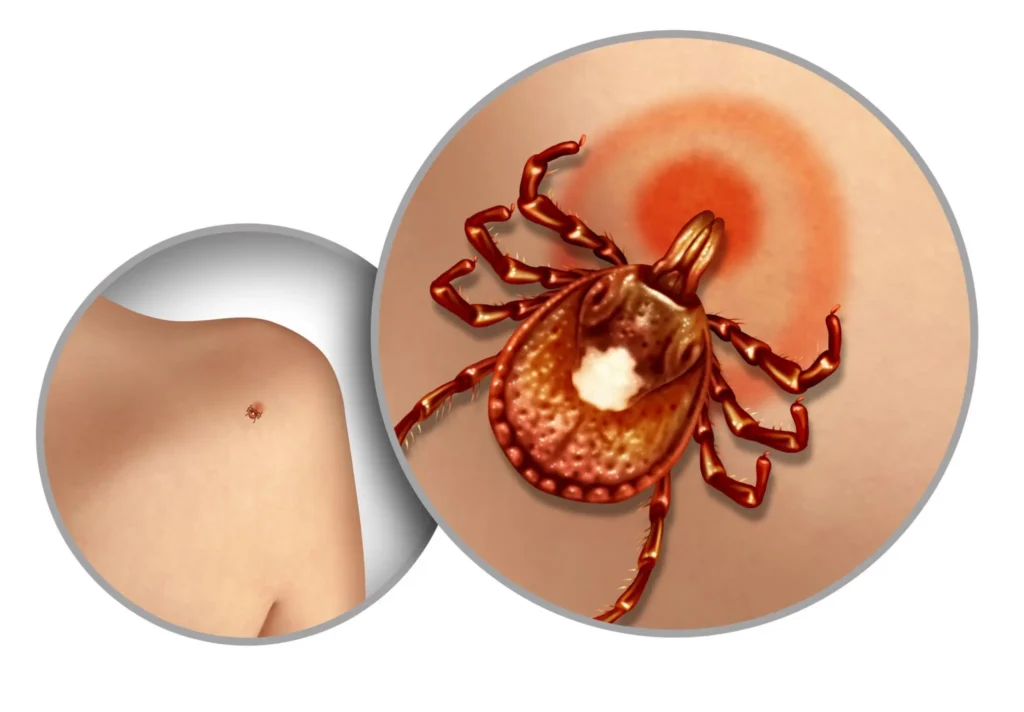
Researchers believe the condition develops after bites from specific tick species that carry alpha-gal or trigger an immune response to it.
After a tick bite:
- The immune system becomes sensitized to alpha-gal.
- The body produces IgE antibodies against the molecule.
- Eating mammalian meat later may activate those antibodies.
- This immune response can lead to allergic symptoms several hours after a meal.
Unlike many food allergies that appear within minutes, Alpha-Gal Syndrome often causes delayed reactions, making it more difficult to identify the trigger.
Common Symptoms of Alpha-Gal Syndrome
Symptoms vary from person to person and may range from mild to severe.
Common signs include:
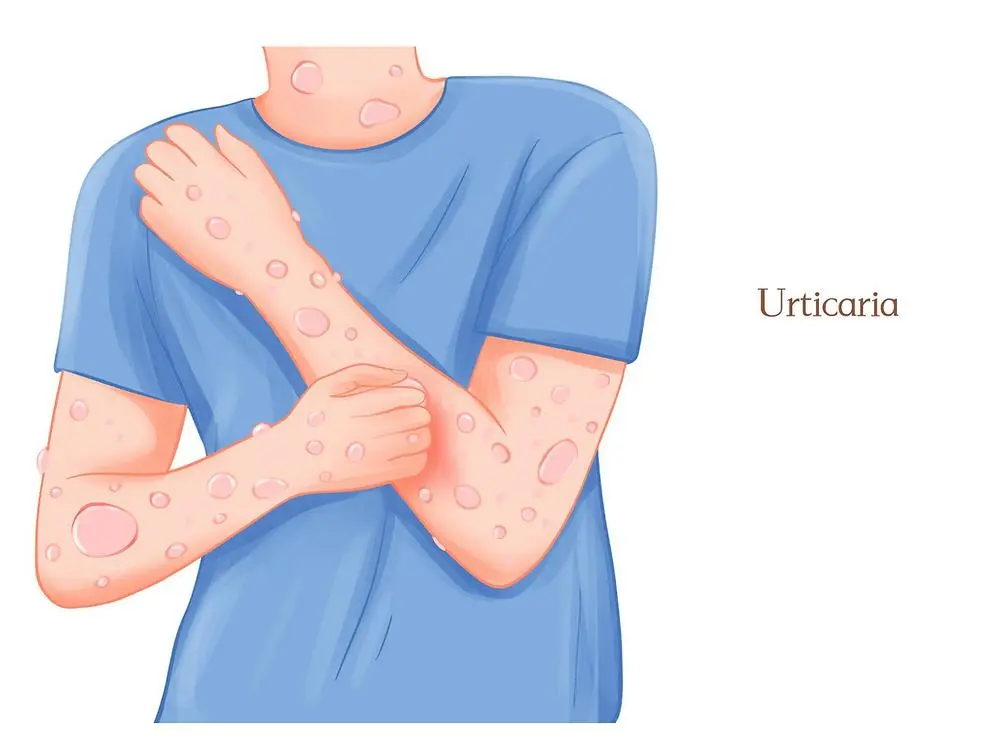
- Hives or itchy skin
- Swelling of the lips, face, or throat
- Stomach pain or cramps
- Nausea or vomiting
- Diarrhea
- Shortness of breath
- Dizziness
- Rapid heartbeat
- Severe allergic reaction (anaphylaxis)
Symptoms usually develop 3–6 hours after eating red meat, though timing can vary.
Who Is at Higher Risk?
Although anyone can develop Alpha-Gal Syndrome after certain tick bites, some people may have a higher risk than others.
You may be more likely to develop AGS if you:
- Spend time in wooded or grassy areas where ticks are common.
- Frequently hike, camp, hunt, or garden.
- Work outdoors, such as in farming, forestry, or landscaping.
- Have experienced multiple tick bites over time.
- Live in regions where tick populations are increasing.
It’s important to remember that not everyone who is bitten by a tick develops Alpha-Gal Syndrome, and researchers are still studying why some individuals are more susceptible than others.
Foods That May Trigger Symptoms
People with Alpha-Gal Syndrome often need to avoid foods that contain mammalian meat or ingredients derived from mammals. However, triggers vary from person to person, so dietary changes should always be discussed with a healthcare professional.
Common trigger foods may include:
- Beef
- Pork
- Lamb
- Venison (deer meat)
- Goat meat
- Organ meats
Some individuals may also react to:
- Gelatin-containing foods
- Certain dairy products
- Meat-based broths
- Foods containing animal-derived ingredients
Many people can still eat poultry (chicken, turkey), fish, seafood, and eggs, but individual tolerance varies.
How Is Alpha-Gal Syndrome Diagnosed?
Diagnosing Alpha-Gal Syndrome can be challenging because symptoms often appear several hours after eating, making the connection less obvious.
A healthcare provider may use:
Medical History
Your doctor will ask about:
- Recent tick bites
- Foods eaten before symptoms started
- Timing of allergic reactions
- Previous allergy history
Blood Test: A blood test can detect IgE antibodies to alpha-gal, which helps support the diagnosis.
Allergy Evaluation: An allergist may recommend additional testing to rule out other food allergies or medical conditions with similar symptoms.
Treatment Options
Currently, there is no cure for Alpha-Gal Syndrome, but many people successfully manage the condition by avoiding trigger foods and reducing future tick exposure.
Treatment may include:
- Avoiding foods that trigger reactions
- Reading food labels carefully
- Carrying prescribed emergency medication if recommended
- Managing allergic reactions under medical supervision
- Following up regularly with an allergist
People with a history of severe allergic reactions may be advised by their healthcare provider to carry an epinephrine auto-injector for emergencies.
How to Help Prevent Alpha-Gal Syndrome
Because AGS is linked to tick bites, preventing bites is one of the most effective ways to reduce risk.
Practical Prevention Tips
- Wear long sleeves and long pants when walking in wooded areas.
- Use tick repellents according to product instructions.
- Stay on marked trails whenever possible.
- Check your body, clothing, and pets for ticks after spending time outdoors.
- Shower soon after returning from tick-prone areas.
- Remove attached ticks promptly using fine-tipped tweezers.
These steps may lower the likelihood of tick bites, although they cannot eliminate the risk completely.
Myth vs. Fact
Myth – Only people with a family history of allergies can develop Alpha-Gal Syndrome.
Fact – Alpha-Gal Syndrome is associated with immune responses following certain tick bites, not simply family history.
Myth:
You become allergic immediately after eating meat.
Fact:
Unlike many food allergies, Alpha-Gal Syndrome often causes delayed symptoms, typically 3–6 hours after eating mammalian meat.
Myth:
Everyone with Alpha-Gal Syndrome reacts to dairy products.
Fact:
Sensitivity varies. Some people tolerate dairy products, while others may experience symptoms. Always follow your healthcare provider’s guidance.
When Should You See a Doctor?
Seek medical advice if you:
- Experience repeated allergic reactions after eating red meat.
- Develop hives, swelling, or stomach pain several hours after meals.
- Have recently been bitten by a tick and notice new food-related reactions.
- Experience breathing difficulty, severe swelling, or signs of anaphylaxis—this requires immediate emergency medical care.
The Bottom Line
Alpha-Gal Syndrome is an uncommon but increasingly recognized food allergy linked to certain tick bites. Unlike traditional food allergies, reactions are often delayed and may occur several hours after eating mammalian meat. Recognizing the symptoms, seeking an accurate diagnosis, and preventing future tick bites are key steps in managing the condition.
If you suspect you may have Alpha-Gal Syndrome, consult a qualified healthcare professional for evaluation rather than self-diagnosing or making major dietary changes on your own.
Frequently Asked Questions
Can Alpha-Gal Syndrome go away?
Some people report improvement over time, especially if they avoid additional tick bites. However, the condition varies, and symptoms may persist for years.
Can you eat chicken if you have Alpha-Gal Syndrome?
Many individuals tolerate poultry because it does not contain alpha-gal. However, dietary recommendations should always be personalized by a healthcare professional.
Is Alpha-Gal Syndrome contagious?
No. It cannot spread from person to person.
Can children develop Alpha-Gal Syndrome?
Yes. Although it is more commonly reported in adults, children can also develop the condition after tick bites.
Is there a vaccine for Alpha-Gal Syndrome?
Currently, there is no approved vaccine to prevent or treat Alpha-Gal Syndrome.
References
- Centers for Disease Control and Prevention (CDC) – About Alpha-gal Syndrome (AGS)
https://www.cdc.gov/alpha-gal-syndrome/ - National Institute of Allergy and Infectious Diseases (NIAID) – Food Allergy Research
https://www.niaid.nih.gov/diseases-conditions/food-allergy - American Academy of Allergy, Asthma & Immunology (AAAAI) – Alpha-Gal Syndrome
https://www.aaaai.org/tools-for-the-public/conditions-library/allergies/alpha-gal-and-red-meat-allergy - Mayo Clinic – Food Allergy
https://www.mayoclinic.org/diseases-conditions/food-allergy/
