
Testosterone is one of the most important hormones in the human body. While it is commonly known as the male sex hormone, women also produce testosterone in smaller amounts. This hormone plays a vital role in physical growth, muscle development, bone strength, sexual health, mood, and overall well-being.
Many people search for “what is testosterone” because they want to understand why it matters, what happens when testosterone levels are too low or too high, and whether there are safe ways to increase it naturally.
In this comprehensive guide, you’ll learn everything you need to know about testosterone, including its functions, normal levels, symptoms of imbalance, causes, diagnosis, treatment options, and lifestyle habits that support healthy hormone levels.
What Is Testosterone?
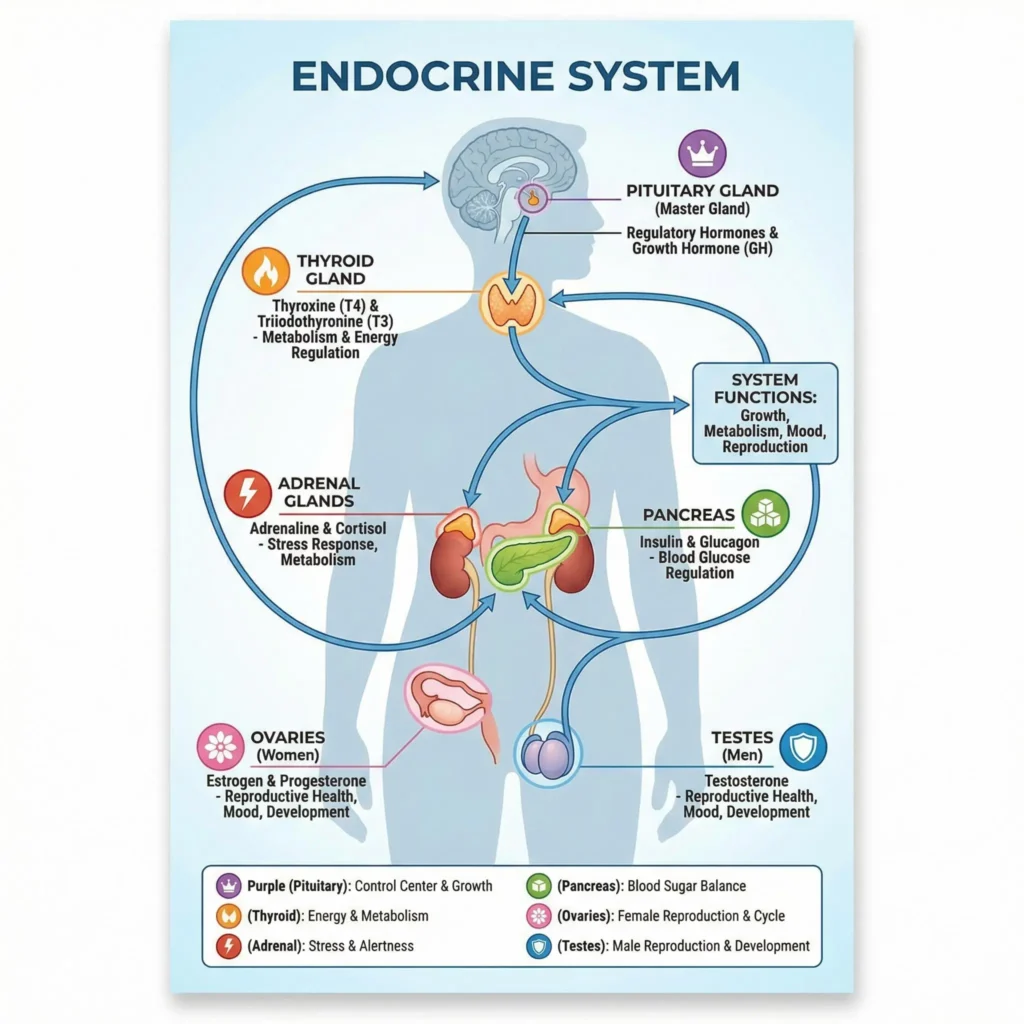
Testosterone is a hormone primarily produced in the testicles in men and, in much smaller amounts, in the ovaries of women and the adrenal glands of both sexes. It belongs to a group of hormones called androgens, which are responsible for the development and maintenance of male characteristics.
Although testosterone is often associated with men, it is essential for both men and women. Healthy testosterone levels contribute to muscle strength, bone density, energy, mood, and reproductive health.
What Does Testosterone Do?
Testosterone affects many functions throughout the body.
Its key roles include:
- Supports muscle growth and strength
- Maintains healthy bone density
- Promotes sperm production
- Helps regulate sex drive (libido)
- Supports erectile function
- Encourages facial and body hair growth during puberty
- Deepens the voice in males
- Helps produce red blood cells
- Supports mood, motivation, and confidence
- Contributes to overall energy levels
Women also need testosterone for healthy bones, muscle maintenance, and sexual function, though in much lower amounts than men.
Where Is Testosterone Produced?
Testosterone is made in different parts of the body depending on sex.
In Men – About 95% of testosterone is produced in the testicles, while the adrenal glands produce a small amount.
In Women – Women produce testosterone mainly in the ovaries and adrenal glands.
The brain controls testosterone production through hormones released by the pituitary gland and hypothalamus.
Normal Testosterone Levels
Testosterone levels vary based on age, sex, and overall health.
Adult Men
- Approximately 300–1,000 ng/dL (nanograms per deciliter)
Adult Women
- Approximately 15–70 ng/dL
Levels are generally highest in early adulthood and gradually decline with age. A slow decrease in testosterone is considered a normal part of aging.
Symptoms of Low Testosterone
Low testosterone, also called low T or testosterone deficiency, can affect physical, mental, and sexual health.
Common symptoms include:
- Low sex drive
- Erectile dysfunction
- Fatigue or low energy
- Reduced muscle mass
- Increased body fat
- Difficulty building strength
- Mood changes or depression
- Irritability
- Poor concentration
- Memory problems
- Reduced facial or body hair
- Weak bones
- Decreased sperm count
Symptoms may develop gradually and can vary from person to person.
What Causes Low Testosterone?
Several factors can contribute to low testosterone levels.
Aging
Testosterone naturally declines with age, often beginning around the age of 30.
Medical Conditions
Certain health conditions may lower testosterone, including:
- Type 2 diabetes
- Obesity
- Chronic kidney disease
- Liver disease
- Pituitary gland disorders
- Testicular injury
- Genetic conditions
Lifestyle Factors
Poor lifestyle habits can also reduce testosterone.
Examples include:
- Lack of sleep
- Chronic stress
- Poor diet
- Excessive alcohol consumption
- Smoking
- Physical inactivity
Certain Medications
Some medications may lower testosterone levels, such as:
- Long-term corticosteroids
- Opioid pain medications
- Certain cancer treatments
Symptoms of High Testosterone
High testosterone is less common and may occur naturally or due to hormone therapy or anabolic steroid use.
Possible symptoms include:
- Acne
- Oily skin
- Increased aggression or irritability
- High blood pressure
- Sleep problems
- Mood swings
- Enlarged prostate (in some men)
- Fertility issues
Women with high testosterone may experience:
- Excess facial or body hair
- Acne
- Irregular menstrual periods
- Hair thinning on the scalp
- Deepening of the voice (in severe cases)
How Is Testosterone Diagnosed?
If your doctor suspects a testosterone imbalance, they may recommend:
Blood Test: A blood test is the most accurate way to measure testosterone levels. It is usually performed in the morning when testosterone is naturally at its highest.
Physical Examination: Your healthcare provider may check for signs of hormone imbalance, such as changes in body hair, muscle mass, or breast tissue.
Additional Tests: Depending on the results, your doctor may also order:
- Hormone tests
- Thyroid function tests
- Blood sugar tests
- MRI of the pituitary gland (if needed)
Treatment Options
Treatment depends on the underlying cause of low testosterone.
Testosterone Replacement Therapy (TRT)
TRT may be recommended for people with confirmed testosterone deficiency and related symptoms.
It is available as:
- Gels
- Skin patches
- Injections
- Pellets placed under the skin
- Oral formulations (in some cases)
TRT should only be used under the supervision of a qualified healthcare provider.
Treating the Underlying Cause
In some cases, improving an underlying condition—such as obesity, sleep apnea, or uncontrolled diabetes—can help restore healthier testosterone levels without hormone therapy.
Natural Ways to Support Healthy Testosterone Levels
Healthy lifestyle habits can support normal testosterone production.
Exercise Regularly
Strength training and resistance exercises can help maintain healthy hormone levels.
Maintain a Healthy Weight
Excess body fat is associated with lower testosterone levels.
Get Enough Sleep
Aim for 7–9 hours of quality sleep each night, as poor sleep can negatively affect hormone production.
Manage Stress
Long-term stress increases cortisol, a hormone that can interfere with testosterone production.
Eat a Balanced Diet
Focus on whole foods, lean protein, healthy fats, fruits, vegetables, and whole grains.
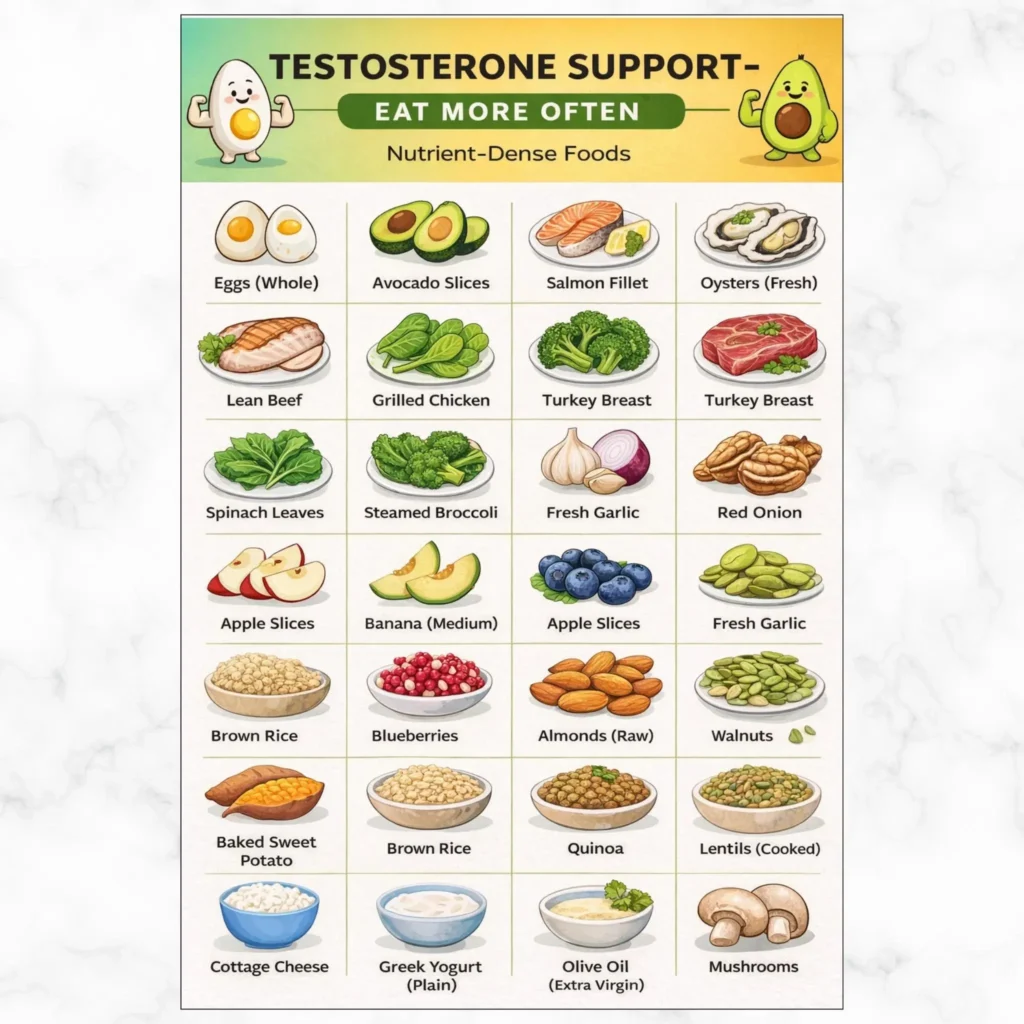
Best Foods for Healthy Testosterone
Certain nutrient-rich foods support overall hormone health.
Examples include:
- Eggs
- Salmon
- Tuna
- Lean beef
- Oysters
- Pumpkin seeds
- Spinach
- Avocados
- Greek yogurt
- Brazil nuts
- Olive oil
- Pomegranate
- Leafy green vegetables
These foods provide protein, zinc, vitamin D, magnesium, and healthy fats, which are important for hormone production.
Lifestyle Tips for Hormonal Health
To support healthy testosterone levels:
- Exercise consistently
- Maintain a healthy body weight
- Avoid smoking
- Limit alcohol intake
- Sleep well every night
- Stay hydrated
- Eat a nutrient-rich diet
- Manage chronic stress
- Schedule regular medical checkups
Risks of Testosterone Therapy
Although TRT can benefit some individuals, it is not appropriate for everyone.
Potential risks may include:
- Acne
- Increased red blood cell count
- Sleep apnea worsening
- Fluid retention
- Fertility reduction
- Prostate-related concerns in some individuals
Always discuss the benefits and risks with your healthcare provider before starting treatment.
When Should You See a Doctor?
You should consult a healthcare professional if you experience:
- Persistent fatigue
- Low sex drive
- Erectile dysfunction
- Unexplained loss of muscle mass
- Depression or mood changes
- Difficulty concentrating
- Infertility concerns
Early diagnosis can help identify the underlying cause and guide appropriate treatment.
Conclusion
Testosterone is a vital hormone that supports muscle strength, bone health, reproductive function, energy levels, and overall well-being in both men and women. While testosterone naturally changes with age, persistent symptoms such as fatigue, low libido, or reduced muscle mass should not be ignored.
A healthy lifestyle—including regular exercise, nutritious eating, quality sleep, and stress management—can help maintain normal testosterone levels. If you suspect a hormone imbalance, consult a healthcare professional for proper testing and personalized treatment recommendations.
Frequently Asked Questions (FAQs)
Is testosterone only important for men?
No. Women also produce testosterone in smaller amounts, and it plays a role in bone health, muscle strength, and sexual function.
At what age does testosterone start to decline?
In men, testosterone levels typically begin to decline gradually after the age of 30.
Can exercise increase testosterone?
Regular strength training and maintaining a healthy weight can help support normal testosterone levels.
Is testosterone replacement therapy safe?
TRT can be safe and effective for people with medically confirmed testosterone deficiency when prescribed and monitored by a healthcare provider.
Can diet affect testosterone?
Yes. A balanced diet rich in protein, healthy fats, vitamins, and minerals supports overall hormone health.
