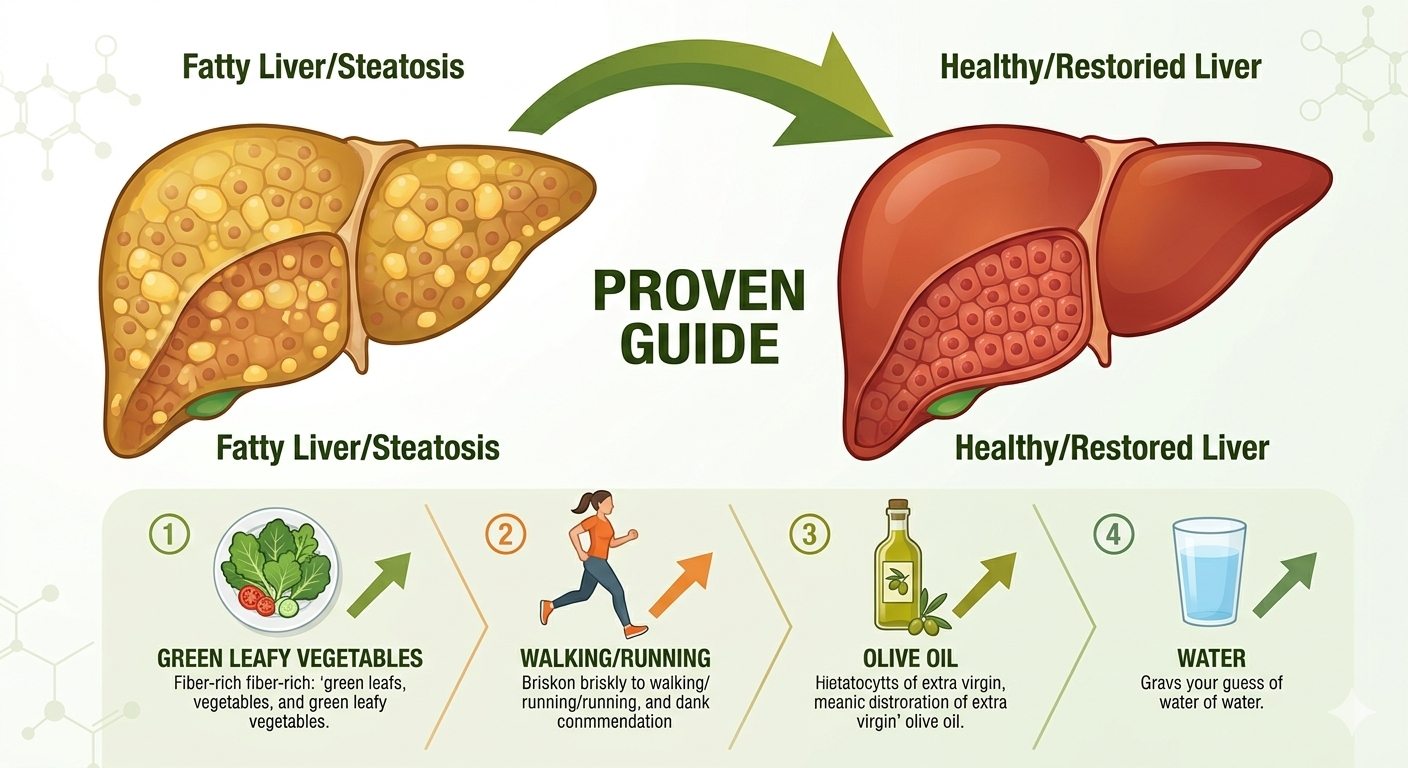
In the modern healthcare landscape, certain metabolic conditions advance quietly without warning, affecting millions globally. Non-alcoholic fatty liver disease (NAFLD) has officially earned its title as a modern silent epidemic. Current clinical data estimates that nearly 25% to 30% of the global adult population is living with this condition, and a vast majority remain entirely unaware.
Historically, excess liver fat accumulation was almost exclusively linked to chronic alcohol abuse. However, the contemporary surge is heavily driven by metabolic factors in individuals who consume minimal to no alcohol.
A liver is clinically diagnosed as “fatty” when stored triglycerides account for more than 5% to 10% of the organ’s total weight. If you or a loved one has recently been diagnosed, the most vital question you face is: how to reverse fatty liver disease naturally and effectively? Understanding the underlying mechanisms is the first critical step toward complete cellular recovery.
What Are the Primary Causes of Fatty Liver?
The liver is the body’s ultimate metabolic workhorse. It processes nutrients, neutralizes systemic toxins, filters blood, and manages daily energy distribution. Under optimal conditions, the liver processes dietary fats and carbohydrates, converting them into usable energy or storing them safely as glycogen.
However, when a modern diet consistently overloads the system with excess calories, the liver’s metabolic capacity is completely overwhelmed. It begins a process called de novo lipogenesis (creating new fat), packing triglycerides tightly inside individual liver cells (hepatocytes).
The primary causes of fatty liver driving this cellular shift include:
- The Fructose Overload: Modern processed foods are heavily saturated with High-Fructose Corn Syrup (HFCS), found in sodas, sweetened juices, and commercial baked goods. Unlike glucose, which can be utilized by every cell in the body, fructose can only be metabolized by the liver. When consumed in high amounts, the liver has no choice but to convert this fructose directly into visceral fat.
- Insulin Resistance: This is the cornerstone of metabolic syndrome. When body cells become numb to insulin, the pancreas overcompensates by producing even more of the hormone. Chronically high insulin levels signal the liver to continuously absorb circulating free fatty acids and strictly block it from burning its existing fat stores.
- Physical Inactivity (Sedentary Living): A lack of consistent muscle contraction reduces cellular energy demands. Instead of mobilizing and burning stored hepatic lipids, the body continuously routes them into long-term visceral fat storage.
Understanding the 4 Progressive NAFLD Stages
Fatty liver disease is rarely a sudden affliction. It is a slow, progressive condition that transitions through four distinct histopathological NAFLD stages, often spanning across several decades:
| Stage | Clinical Designation | What Happens Microscopically? | Reversibility & Risk |
|---|---|---|---|
| Stage 1 | Simple Steatosis (NAFL) | Pure lipid accumulation inside liver cells. No significant cellular damage or inflammation is present. | 🟢 100% Reversible |
| Stage 2 | NASH (Steatohepatitis) | Excess fat triggers oxidative stress. The immune system rushes in, causing inflammation and cellular ballooning/injury. | 🟡 Reversible (Requires strict lifestyle intervention) |
| Stage 3 | Fibrosis | Chronic inflammation leads to persistent injury. The liver attempts to heal itself by laying down stiff collagen scar tissue. | 🟠 Partially Reversible (High risk of progression) |
| Stage 4 | Cirrhosis | Extensive, irreversible scarring shrinks the liver. Normal tissue is replaced by hard nodules, severely compromising function. | 🔴 Irreversible (Life-threatening; requires critical care) |
Non Alcoholic Fatty Liver Disease Symptoms: The Silent Cues
Because the inner parenchyma of the liver lacks sensory pain receptors, early-to-mid-stage fatty liver does not cause acute pain. However, as the organ swells or undergoes inflammatory changes, the body displays subtle systemic indicators.
Key non alcoholic fatty liver disease symptoms that should never be ignored include:
- Unexplained, Deep Fatigue: A persistent, chronic depletion of physical energy that sleep cannot fix. This happens because an inflamed liver can no longer store and release glucose efficiently, disrupting systemic energy production.
- Right Upper Quadrant Heaviness: A vague sensation of fullness, pressure, or a dull ache located directly beneath the right rib cage, caused by the physical swelling and enlargement of the liver capsule (hepatomegaly).
- Stubborn Visceral Adiposity: A disproportionate increase in abdominal fat or waist circumference. Central obesity is a strong phenotypic marker for fatty infiltration of internal organs.
- Deranged Hepatic Enzymes: Routine metabolic panels revealing elevated levels of Alanine Aminotransferase (ALT) and Aspartate Aminotransferase (AST), signaling ongoing liver cell damage.
Step-by-Step Protocol: How to Clear Liver Fat
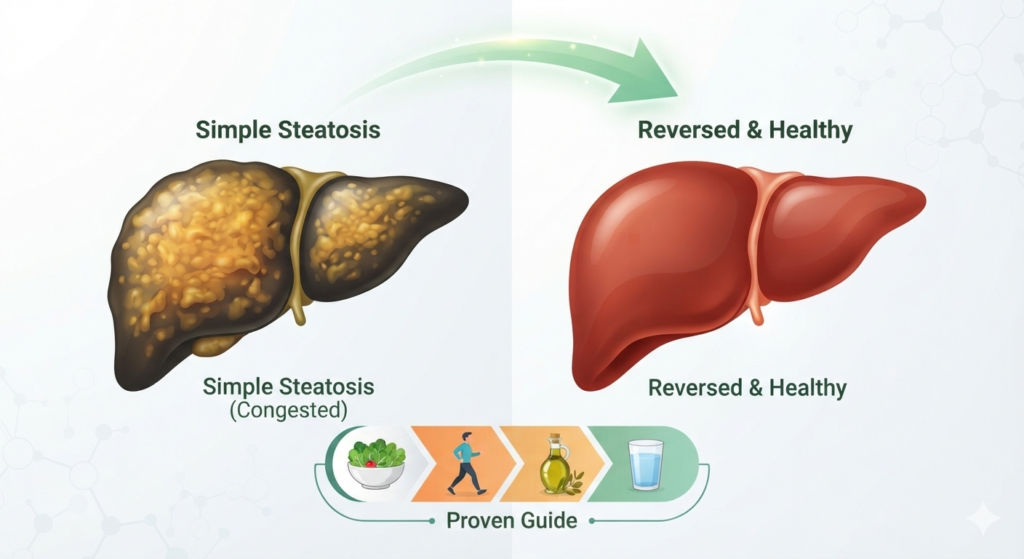
The most empowering aspect of modern hepatology is that you can actively achieve clinical remission. The liver possesses an unparalleled capacity for cellular regeneration. If the toxic metabolic load is removed, the organ can completely evacuate stored lipids and restore normal function.
Here is exactly how to reverse fatty liver disease naturally using evidence-based strategies:
1. Transition to a Low-Glycemic Lifestyle
Eliminate ultra-processed foods, refined sugars, white flour, and high-fructose beverages. Focus your daily nutrition on fiber-dense vegetables, lean high-quality proteins (poultry, fish, tofu), and complex carbohydrates. Shifting the body away from sugar dependency lowers circulating insulin, unlocking the liver’s ability to burn its own fat.
2. Target Strategic Weight Reduction
Clinical data consistently demonstrates that losing just 7% to 10% of total body weight can completely halt liver inflammation, clear out fat accumulations, and even reverse early-stage fibrotic scarring. Weight loss should be steady and controlled, as extreme fasting can temporarily trigger a heavy influx of free fatty acids into the liver.
3. Implement Consistent Kinetic Movement
Commit to a minimum of 150 to 300 minutes of moderate-intensity physical activity per week. A combination of cardiovascular exercise (brisk walking, swimming, zone-2 cycling) and resistance weight training significantly improves peripheral insulin sensitivity. This forces skeletal muscles to pull sugar from the blood, drastically reducing the metabolic workload routed to the liver.
4. Incorporate Liver Detox Foods and Healthy Fats
Swap out pro-inflammatory industrial seed oils for extra virgin olive oil and avocados. Enrich your diet with Omega-3 fatty acids (found in wild-caught salmon, walnuts, and chia seeds) which actively work to down-regulate hepatic inflammation. Additionally, incorporate liver detox foods like garlic, turmeric, cruciferous vegetables, and green tea, which supply the antioxidants required to clear hepatic triglycerides.
Conclusion: Taking Action Against Hepatic Fat
Ultimately, learning how to reverse fatty liver disease naturally is not about temporary restrictions; it requires a sustained shift toward metabolic health. Because the early stages of NAFLD are highly responsive to lifestyle intervention, making informed dietary and activity choices today can completely shield your liver from long-term scarring and future health complications.
Frequently Asked Questions
Is there a specific medication available to cure a fatty liver?
Currently, there is no single FDA-approved pharmaceutical “magic pill” specifically designed to eliminate fat from liver tissue. While some medications are prescribed off-label to manage underlying insulin resistance or type 2 diabetes, the bedrock of clinical treatment relies entirely on sustainable lifestyle, nutritional, and metabolic modifications.
What are the most accurate diagnostic tools for fatty liver?
Screening usually begins with a routine Liver Function Test (LFT) blood panel to observe enzyme elevations. Confirmation is typically achieved through an abdominal Ultrasound. For an exact, quantitative assessment of liver fat percentage and tissue stiffness (without needing a painful tissue biopsy), clinicians utilize a specialized, non-invasive technology known as a FibroScan (Transient Elastography).
Can thin or underweight individuals develop fatty liver disease?
Yes, this is a distinct clinical manifestation known as “Lean NAFLD.” Even if an individual possesses a normal or low Body Mass Index (BMI), an underlying genetic predisposition combined with a poor diet high in processed fructose and a completely sedentary lifestyle can cause fat to bypass subcutaneous storage and deposit directly into internal visceral organs like the liver.
References
National Institute of Diabetes and Digestive and Kidney Diseases (NIDDK) – Definition & Facts of NAFLD & NASH
Harvard T.H. Chan School of Public Health – The Nutrition Source: Carbohydrates
World Health Organization (WHO) – Physical Activity Guidelines
American Association for the Study of Liver Diseases (AASLD) – Clinical Practice Guidelines for Fatty Liver
References
- Harvard T.H. Chan School of Public Health – The Nutrition Source: Carbohydrates
- National Institute of Diabetes and Digestive and Kidney Diseases (NIDDK) – Definition & Facts of NAFLD & NASH
- World Health Organization (WHO) – Physical Activity Guidelines
- American Association for the Study of Liver Diseases (AASLD) – Clinical Practice Guidelines for Fatty Liver
